
Raiding is one of the most exciting aspects of World of Warcraft, offering players the chance to take on some of the game’s most challenging encounters. However, successfully organizing a guild raid requires more than just assembling a group and heading into the instance. Coordination, preparation, and leadership all play a critical role in ensuring smooth runs and long-term success.

Whether you’re leading a guild for the first time or refining your raid structure, understanding the key elements of raid organization can make the difference between repeated wipes and steady progression.
Setting Clear Goals and Expectations
A well-organized raid starts with a clear vision. Before forming your team, decide what your guild’s raiding goals are. Are you aiming for casual weekly clears, progression into Mythic difficulty, or achieving Cutting Edge? Defining your objectives will help set expectations for attendance, performance, and commitment.
Once goals are established, communicate them clearly to your guild. Make sure every raider understands what is expected of them, from maintaining raid-ready gear to researching boss mechanics. Consistency in expectations prevents frustration and ensures everyone is on the same page.
Building a Balanced Raid Composition
Raid composition plays a significant role in success. A good raid leader ensures the group has a solid balance of tanks, healers, and DPS. While class diversity is important, bringing the right utility and buffs can make a major difference in clearing encounters efficiently.
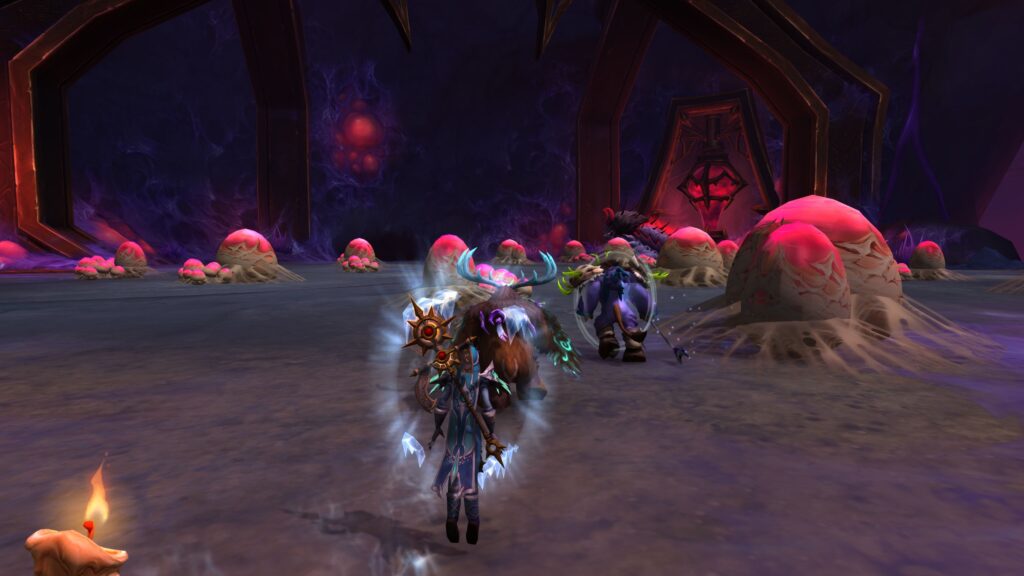
Consider what each class and specialization brings to the table. Some encounters may benefit from certain utility spells, such as battle resurrections, immunities, or AoE crowd control. If your guild lacks certain key abilities, recruiting additional players to fill those gaps can help smooth out progression.
Preparing for Raid Night
Preparation is key to ensuring raids run smoothly. Every raider should be responsible for keeping their character optimized, but the raid leader must also provide guidance on strategies and mechanics.
Creating and sharing strategy guides, linking video tutorials, and discussing mechanics in advance helps reduce unnecessary wipes. Organizing consumables like potions, flasks, and food buffs ahead of time also ensures that the group can focus on the fight rather than last-minute preparations.
Effective Communication and Leadership
Clear and concise communication is the backbone of a successful raid. Raid leaders should keep instructions brief and to the point, ensuring that callouts during fights are easy to understand. Overcomplicating explanations can cause confusion, so keeping things simple will improve team coordination.
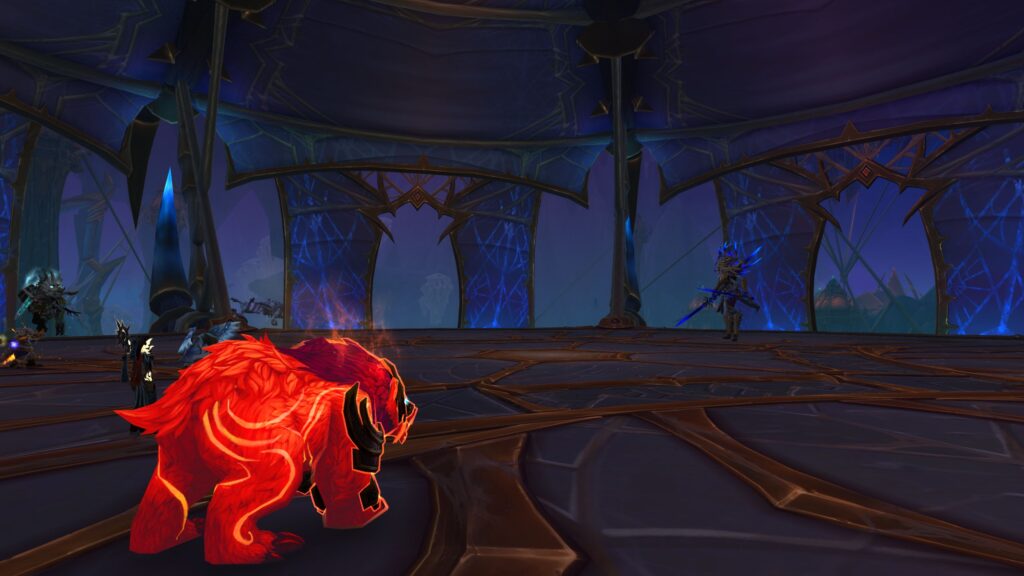
Leadership also extends beyond just calling out mechanics. Keeping morale high and ensuring that players feel valued can prevent burnout and encourage long-term engagement. Addressing issues diplomatically and making adjustments to strategies when needed can help maintain a positive raiding environment.
Handling Wipes and Progression
Every raid team faces setbacks, but how a guild handles wipes can determine long-term success. Instead of assigning blame, encourage a problem-solving approach. Reviewing logs, analyzing mistakes, and making small adjustments can lead to steady improvement.

Encouraging players to give constructive feedback and keeping a level-headed approach during difficult encounters fosters a more enjoyable raid environment. Keeping spirits high, even during frustrating nights, ensures that players remain motivated for the next attempt.
Conclusion: Building a Strong Raid Team
Organizing a successful guild raid requires more than just gathering players—it involves strategic planning, leadership, and clear communication. Setting expectations, maintaining raid balance, and fostering a positive atmosphere all contribute to a team’s long-term success.
With the right approach, your guild can turn raid nights into an enjoyable and rewarding experience, leading to steady progression and lasting camaraderie within your team.
Home


