
World of Warcraft’s raiding culture has long been a cornerstone of the game, offering players the chance to engage in epic group challenges, tackle powerful bosses, and explore some of Azeroth’s most dangerous territories.
However, beyond just the mechanics of raiding lies something much deeper — a culture that has cultivated a new generation of online team leaders. Raiding in WoW isn’t just about defeating bosses; it’s about teamwork, communication, and leadership. This article explores how WoW’s raiding culture helped shape the evolution of online team leadership and why it remains a vital aspect of gaming today.
The Early Beginnings of WoW Raiding
Raiding in WoW has always been a community-driven activity. From the early days of the game, when players first ventured into dungeons like Molten Core and Onyxia’s Lair, the focus was on collaboration and coordination. As these raids required large groups of players to succeed, they fostered the development of leadership roles within guilds. A raid leader wasn’t just a strategist; they were the glue that held the team together, ensuring everyone understood their role, kept communication clear, and worked toward a common goal.
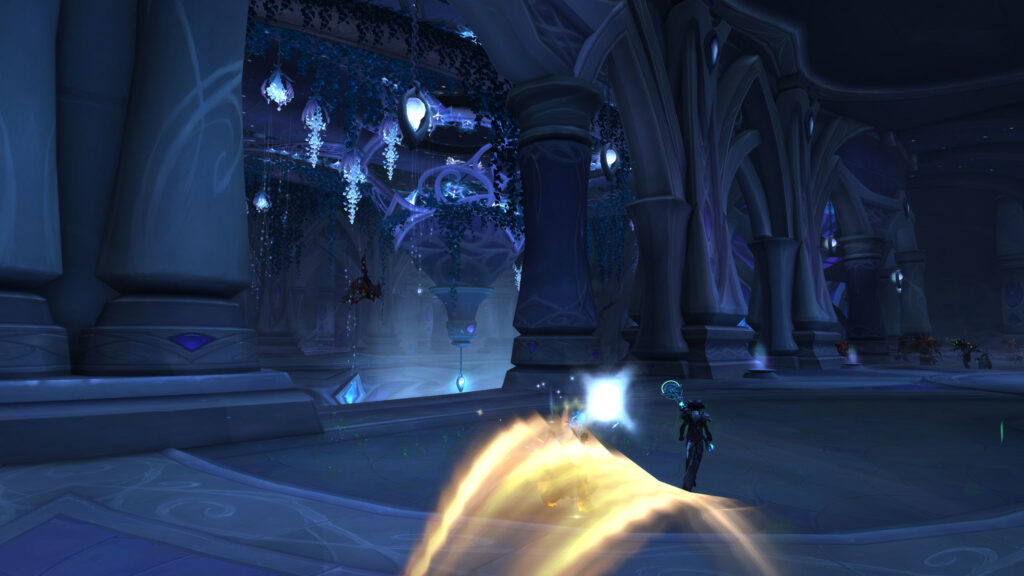
The sense of achievement from completing these massive group challenges was immense, and the experience helped shape the leadership dynamics that would evolve in future expansions.
The Role of Raid Leaders in Shaping Team Dynamics
One of the most important aspects of raiding is the raid leader. These individuals are not just responsible for tactics; they are in charge of team morale, coordination, and problem-solving. Raiding in WoW is often a high-pressure environment where the success of the group hinges on clear direction and excellent communication. A raid leader must keep the team focused, resolve conflicts, and adapt strategies on the fly.
The skills learned in these high-stakes environments are directly transferable to leadership in other online communities or real-world situations. From handling stress to motivating teammates and mediating disputes, raid leaders in WoW cultivate leadership qualities that go beyond just managing a group.
- Strategic Planning: Raid leaders coordinate tactics and ensure everyone knows their role.
- Team Management: Effective communication and conflict resolution are key to a successful raid.
- Adaptability: Leaders must adapt to unexpected challenges, adjusting strategies as needed.
The Evolution of Guild Leadership Beyond Raids
Over time, the leadership skills developed through raiding extended beyond just the boss fights. Guild leaders, raid leaders, and even officers learned how to manage large communities, organize events, and maintain a cohesive group dynamic. Guilds became much more than just a group of players; they were organizations that required management and leadership to thrive. Many guild leaders, who started their careers as raid leaders, grew into influential figures in the WoW community, hosting tournaments, running recruitment campaigns, and managing guild resources.
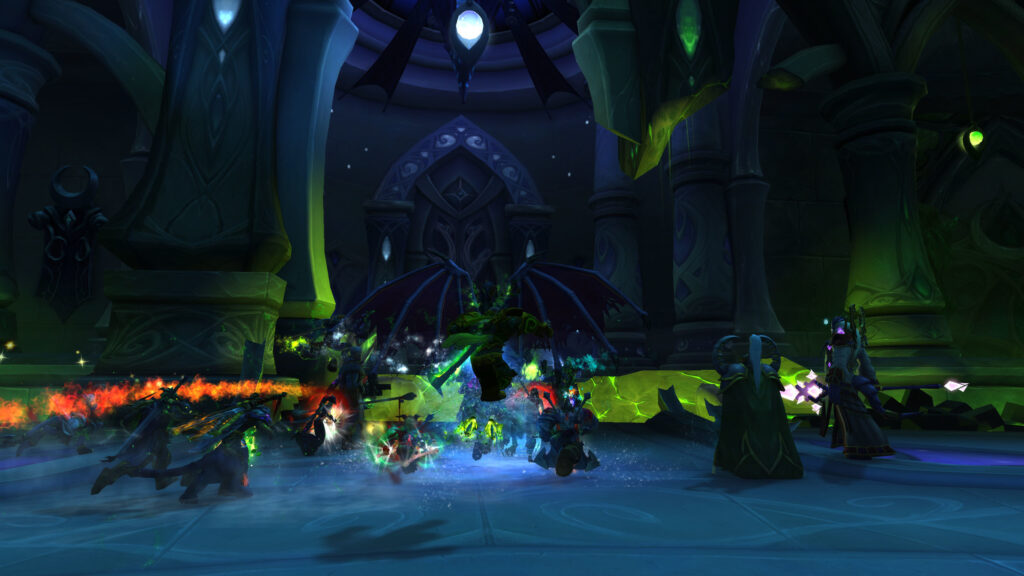
This shift made WoW’s raiding culture an incubator for the next generation of online leaders who would go on to influence the broader world of multiplayer gaming, where communication, team coordination, and strategy are key.
The Impact of WoW’s Raiding Culture on Online Communities
WoW’s raiding culture also had a broader impact on online communities as a whole. The need for teamwork and leadership in raiding was not unique to WoW; it influenced other online games and multiplayer environments. As gaming communities grew, many of the practices established in WoW, like the importance of effective communication and cooperative play, were adopted in other titles, from MOBAs to battle royales. WoW’s raiding culture created a framework for how players could organize themselves in cooperative settings, which became a cornerstone of modern multiplayer gaming.
- Cross-Game Influence: WoW’s team-oriented leadership model influenced other multiplayer games.
- Community Building: Raiding fostered tight-knit communities where leadership was key to group success.
- Cooperative Play: Team-based strategies were expanded beyond WoW into broader gaming culture.
Why WoW Raiding Continues to Inspire Leaders Today
Even as World of Warcraft has evolved and expanded, raiding remains one of its most significant features. The core principles of raiding — leadership, teamwork, and communication — are timeless and continue to inspire new generations of online leaders. Whether they’re running high-level Mythic raids or organizing guild events, players continue to carry forward the lessons they learned from the game’s raiding culture.
The culture of raiding in WoW serves as a model for how teamwork and leadership can shape the online gaming world, proving that WoW’s impact on online communities is lasting and profound.
Conclusion
World of Warcraft’s raiding culture has cultivated an era of online leadership that extends far beyond the game itself. Raiding is not just about defeating bosses — it’s about developing the skills of leadership, communication, and cooperation.
The impact of WoW’s raiding culture on online communities and multiplayer games has been profound, inspiring players to take on leadership roles and form tight-knit groups. Today, the principles of raiding leadership continue to shape the world of online gaming, creating a legacy of teamwork and strategy that will endure for years to come.


